At the end of a shift, the operator reports 798 accepted parts. The PLC shows 330. The warehouse has received 760. These figures can all be correct: the PLC counts cycles, the operator counts inspected parts, and the final container has not reached the warehouse.
A useful MES pilot makes these differences explainable: what each count represents, which product it belongs to, and when the record becomes complete.
The molding example below uses illustrative figures.
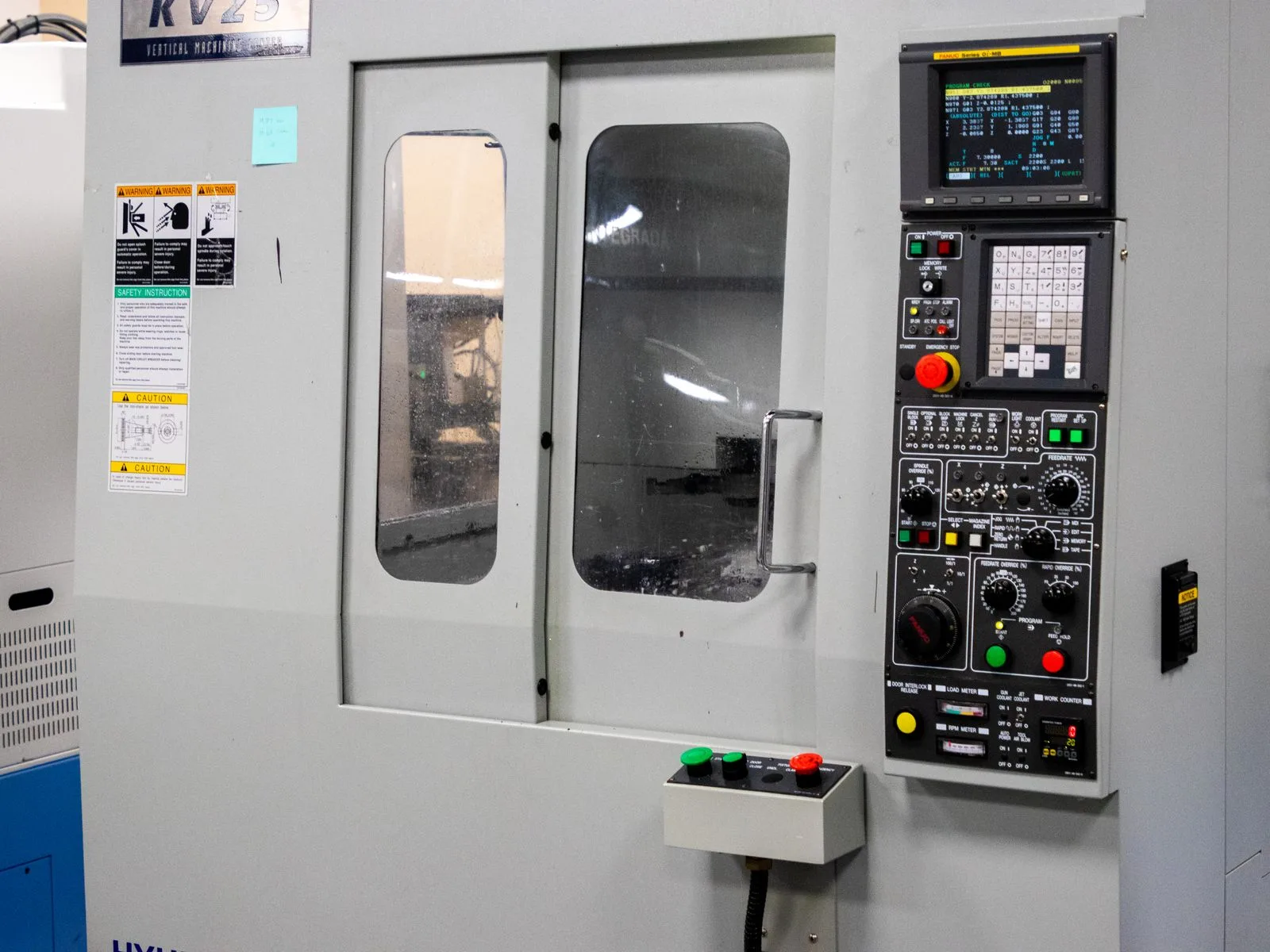
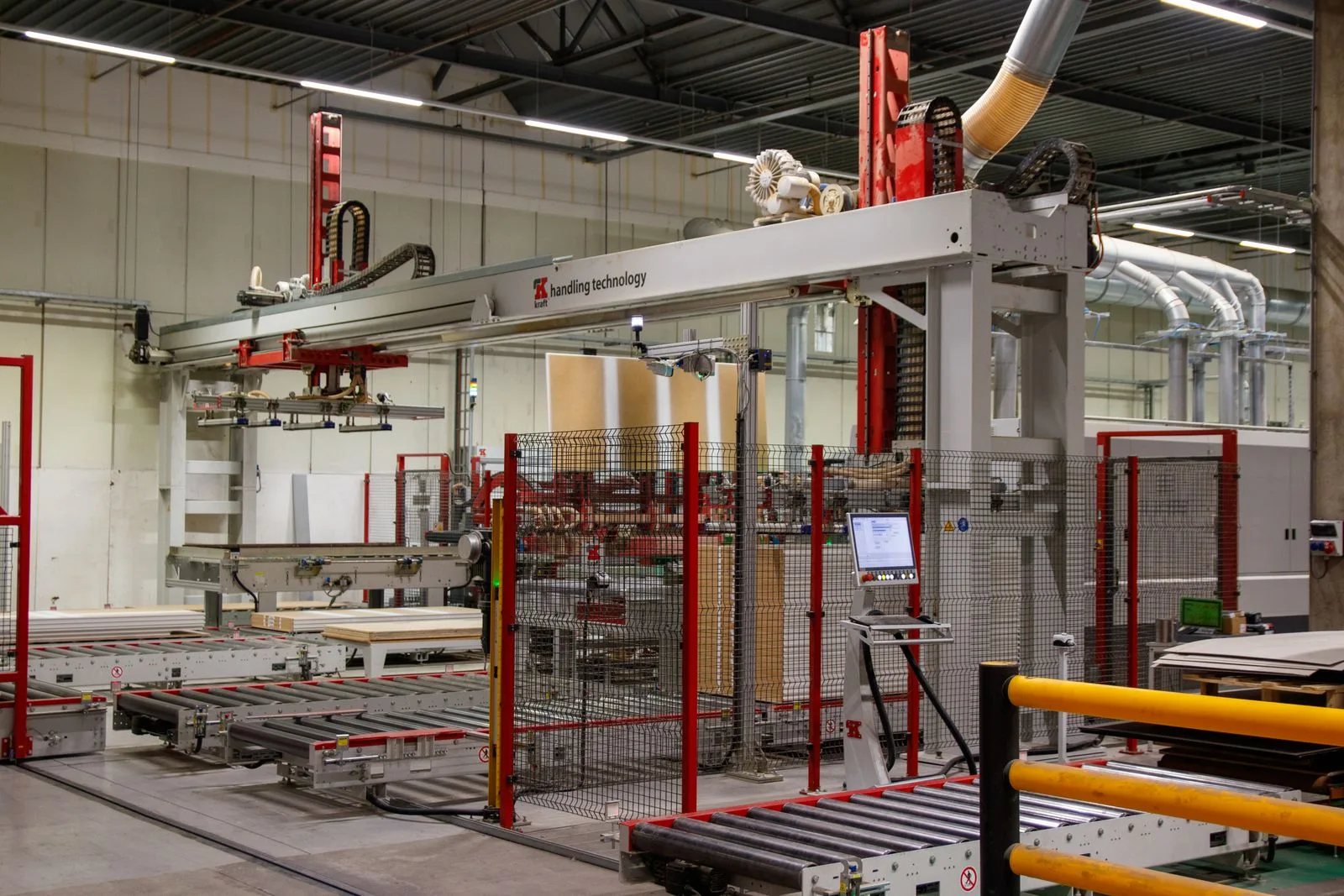
Industrial context photo: Freek Wolsink / Pexels.
Resolve the count before calculating efficiency
Suppose product A uses a two-cavity mold in the morning. Product B uses four cavities later in the shift. The PLC records 330 cycles in total. Applying one multiplier to the whole shift gives the wrong output.
| Production | Cycles | Parts per cycle | Total parts | Rejected | Accepted |
|---|---|---|---|---|---|
| Product A | 250 | 2 | 500 | 12 | 488 |
| Product B | 80 | 4 | 320 | 10 | 310 |
| Shift | 330 | — | 820 | 22 | 798 |
The product change separates two different counting rules. An inactive cavity would change the rule again. Without that context, a precise counter can produce an inaccurate report.
In Orenda MES, workcenter and product definitions provide the starting context. Operators select the product when starting a run, and production and downtime records remain available in Reports. During setup, the team establishes whether the source supplies cycles, total parts or accepted parts. A cycle count must not be connected as a part count without the appropriate conversion.
Decide when quality becomes final
Some rejects appear at the machine; others emerge during later inspection. If ten parts are rejected tomorrow, should yesterday’s shift report change?
A shift handover describes what was known at handover. A final quality review may include later decisions. Their different purposes explain an apparent discrepancy.
Orenda MES supports automatic quantity sources and permitted manual good/bad quantity entries. A correction should identify the affected run and explain the physical count. Reworked parts also need a clear rule so that passing through the station twice does not create two accepted units.
Make the time calculation explicit
An eight-hour shift contains 480 minutes. If the agreed definition excludes a 30-minute break, planned production time is 450 minutes. With 42 minutes of recorded stops, operating time is 408 minutes. Availability is then 408 / 450, or about 90.7%.
That calculation is useful only if the break exclusion matches actual production. A machine that runs through the break needs different treatment. Setup time and planned tool changes need the same discussion before OEE becomes a management target.
A stop crossing a shift boundary adds another test. A 15:55–16:10 stop contributes five minutes to a shift ending at 16:00, although the complete event lasts fifteen minutes. Giving both shifts the full event would double-count part of the loss.
Test the records that are easy to misunderstand
Normal production is rarely the hardest case. A product change, counter reset or interrupted connection reveals whether the setup preserves the meaning of the data.
If a counter moves from 9,998 to 3, the integration needs to distinguish a reset or rollover from an invalid reading. During a connection gap, “no production” and “production not observed” are different statements. The MES Machine Variables page helps inspect assigned signals and available history; it cannot recreate samples that were never collected.
These checks belong in the agreed commissioning procedure.
Expand when the shift can be explained
Acceptance should cover ordinary shifts and these exceptions. The production lead and operator should be able to explain the quantities, times and corrections using the same records. Remaining differences need an owner and a tolerance suited to the process.
Unconfirmed downtime reasons remain on the team’s review list. A nearby PLC alarm can help the investigation, but does not establish the cause. Once the counts, times and exceptions are explained, the same acceptance method can be used on the next machine. The MES, HMI and SCADA comparison explains the role of each system.