
From PLC Data to a Production and OEE Report
A working production report starts with a few reliable signals and clear definitions. Here is how to build the first one.
Read the guide →Practical guides to secure remote access, machine service, MES, OEE, and Predictive Maintenance. Compare options, follow examples, and plan your setup.
A working production report starts with a few reliable signals and clear definitions. Here is how to build the first one.
Read the guide →
A changed measurement is the start of an investigation. The machine’s history and documentation help the maintenance team decide what to check.
Read the guide →
A practical guide to placing selected MES functions and production data on an industrial edge computer without moving PLC control or ignoring lifecycle work.
Read the guide →Use the machine’s records, measurements, and documents to investigate a production question, review the evidence, and keep the result for the next shift.
Read the guide →
Existing machines do not need autonomous controls or a new PLC to become AI-ready. They need a reliable path from selected signals to meaningful history, controlled analysis, and human decisions.
Read the guide →
This guide explains outbound-initiated access patterns for industrial equipment behind NAT, plus the security and validation work that NAT traversal does not replace.
Read the guide →
A machine-builder planning guide to the CRA timeline, product-scope questions, cybersecurity risk records, component evidence, vulnerability handling, reporting, and customer handover.
Read the guide →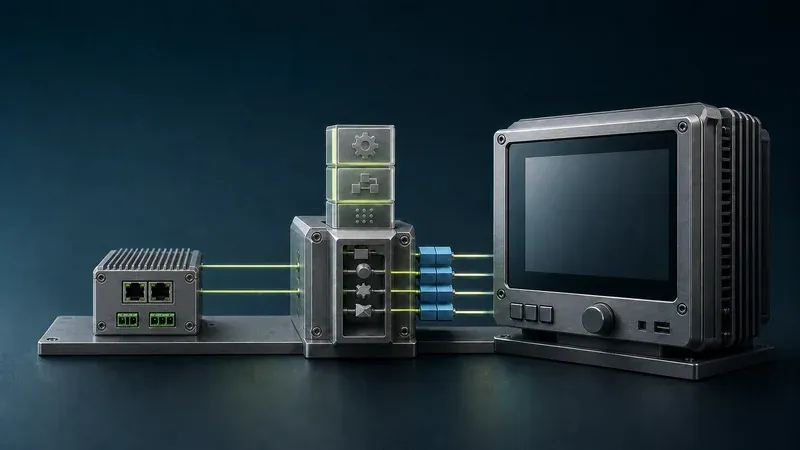
A practical comparison of industrial edge gateways, edge computers, and industrial PCs, with a requirements checklist for selecting the right on-site platform.
Read the guide →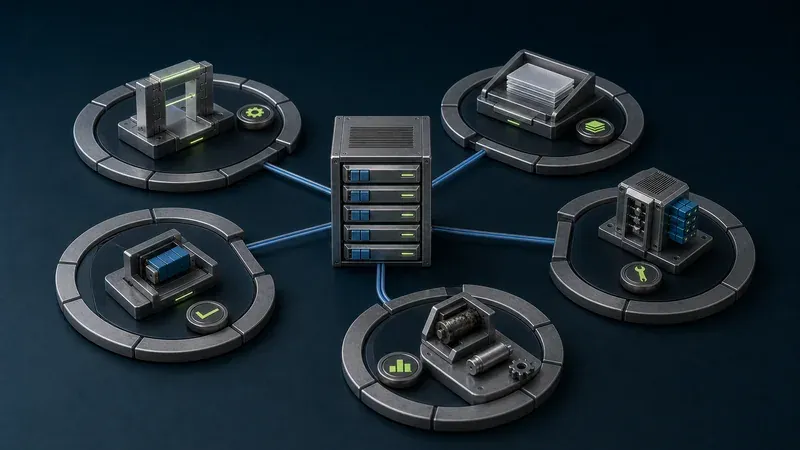
A practical model for turning scattered machine records into a dependable installed-machine-base service system without confusing it with vehicle fleet management.
Read the guide →
A standards-grounded comparison of MES and SCADA, including their roles, overlaps, integration flow, data contract, and deployment questions.
Read the guide →A practical guide to calculating OEE from availability, performance, and quality, with a complete example and a disciplined improvement workflow.
Read the guide →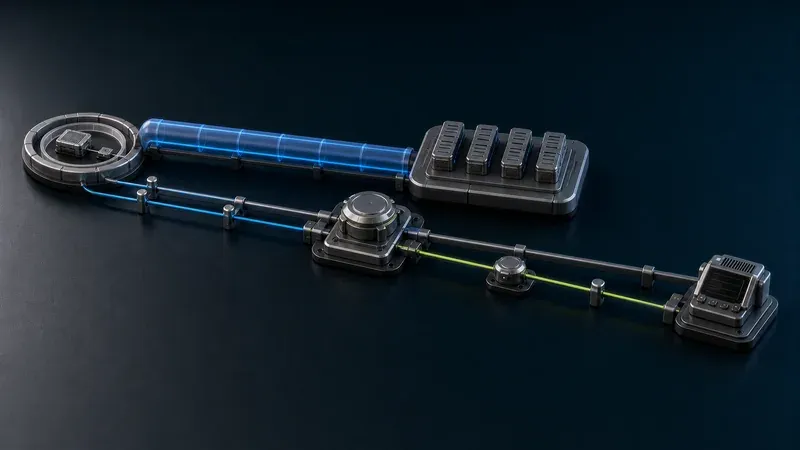
This guide compares VPNs, jump servers, ZTNA, and layered OT remote access so industrial teams can choose an access path around the job and its risk.
Read the guide →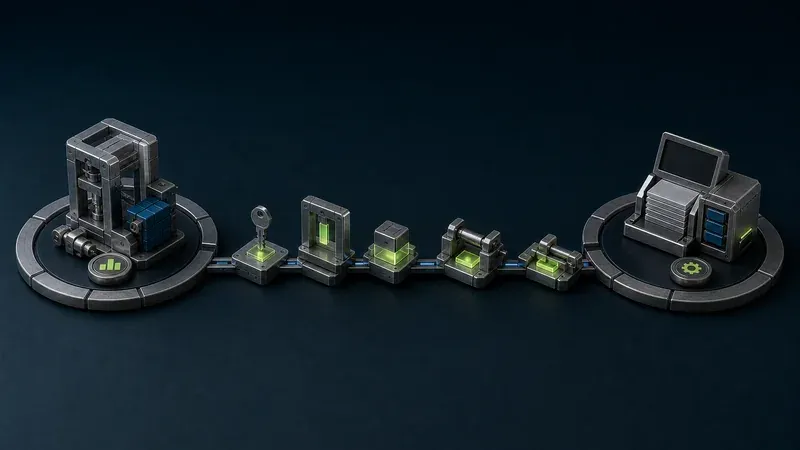
Remote commissioning works best as a gated operating procedure: name the local authority, prove the support path, test from low to high consequence, and preserve a local recovery route.
Read the guide →
Remote monitoring observes, remote access provides a path, and remote control can affect the process. This guide shows machine builders how to keep those roles distinct.
Read the guide →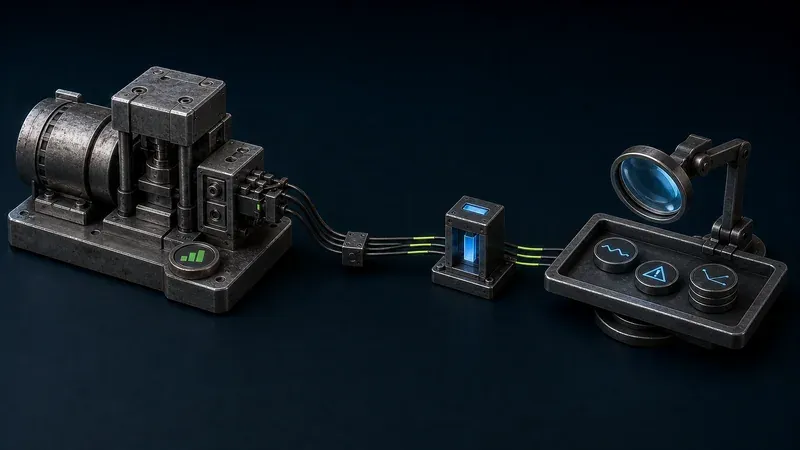
A staged retrofit method for adding useful machine data and approved remote support to an existing machine while preserving local control, safety, and customer ownership.
Read the guide →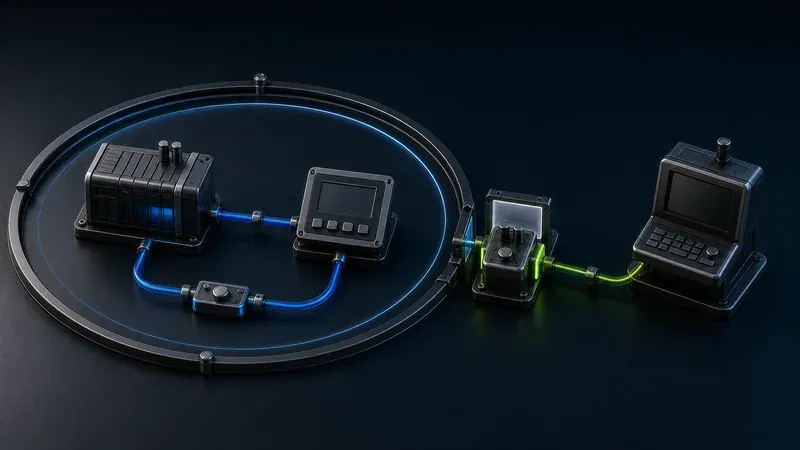
This guide maps a defensible support path from the remote engineer to an HMI, engineering workstation, or PLC without treating the production network as one trusted zone.
Read the guide →
A repeatable remote-service model standardizes the service promise, resource scope, responsibilities, onboarding tests, support runbook, and lifecycle controls without forcing every customer network to look the same.
Read the guide →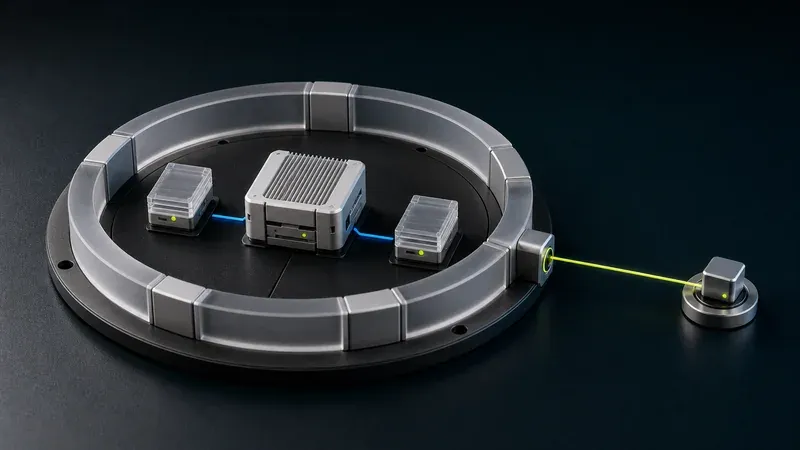
This guide explains how an industrial edge box helps factories connect machines locally, run operational applications on site, and support controlled remote access without granting broad network-level access.
Read the guide →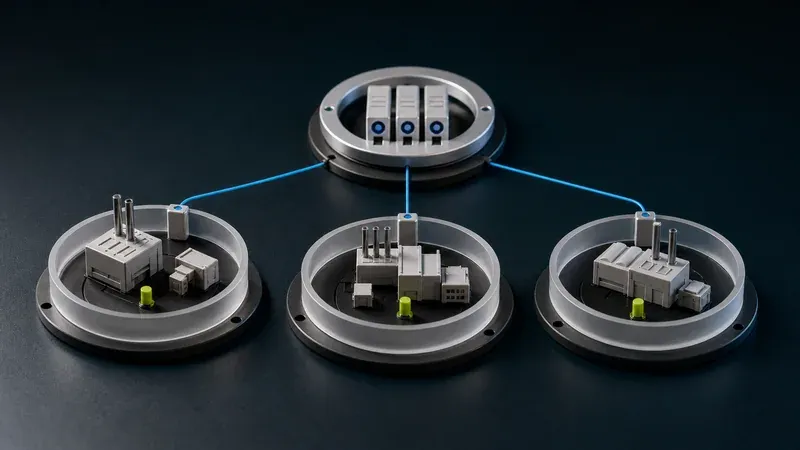
This article explains how multi-site industrial teams can standardize remote access policy and governance while keeping local operations workable.
Read the guide →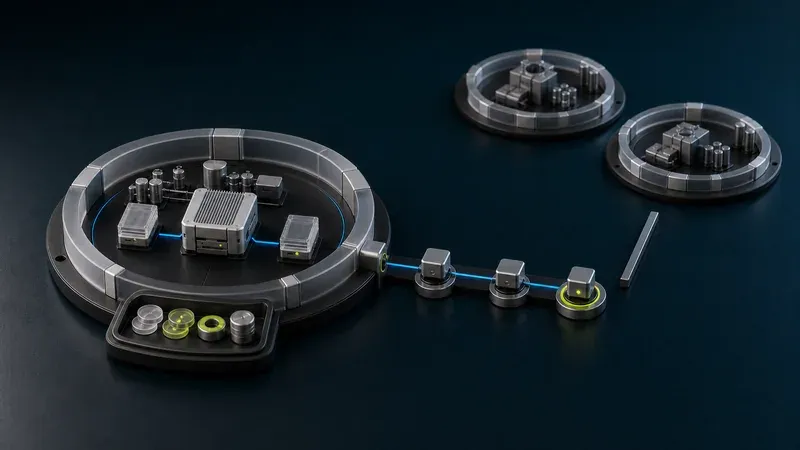
This article explains how to scope a remote access pilot with realistic pricing inputs, clear success criteria, and a rollout plan that operations teams can support.
Read the guide →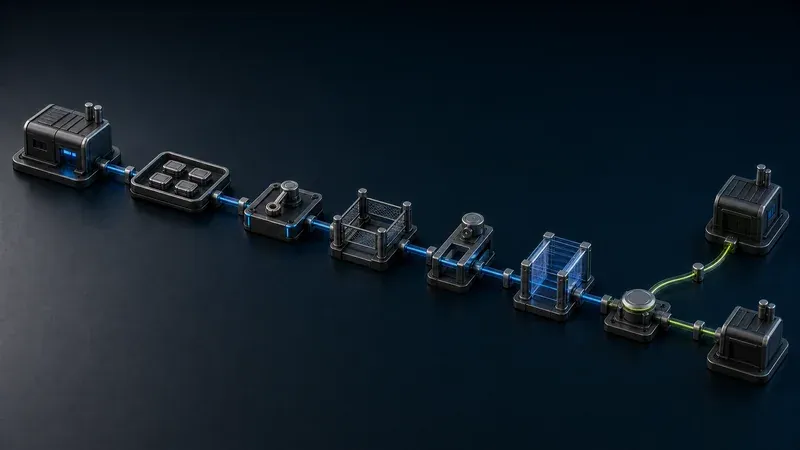
This guide explains how industrial teams can deploy secure remote access with clear scope, segmentation, ownership, and rollout control.
Read the guide →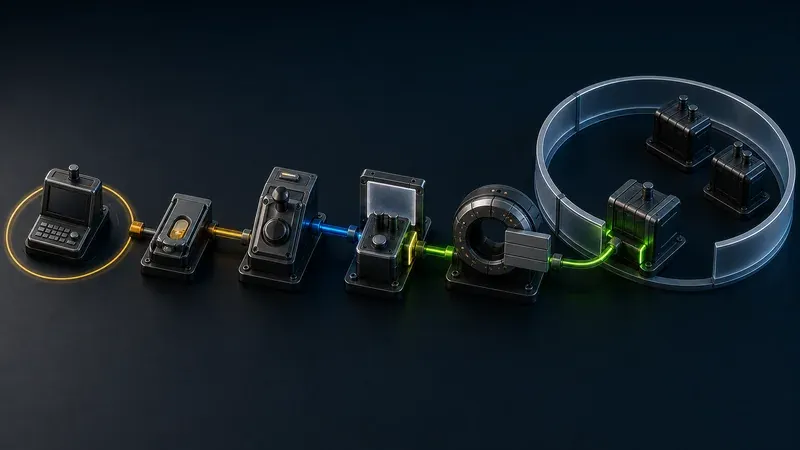
This guide separates the organization’s approval process from the product controls used to scope, review, expire, and revoke vendor access.
Read the guide →