What did the October and November reports establish?
On the night of 11–12 October 2026, attackers targeted refrigeration controllers at around 700 French retail sites, according to France’s cyber crisis coordination centre. Its 9 November report records stock losses. Who on your night shift would notice an unexpected change to the defrost schedule? French C4 incident report, 9 November
On 19 October 2026, Ahold Delhaize said it had taken websites and apps offline after detecting malicious activity in its IT infrastructure. Stores stayed open. Its statement describes the effect on digital services. It gives no basis for attributing a refrigeration controller compromise to the retailer. Ahold Delhaize statement
On 2 November, the Dutch National Cyber Security Centre reported attacks on refrigeration systems from several suppliers in Europe, including the Netherlands. Its advice included removing direct internet exposure and reviewing settings with the supplier. On 13 October it had already cautioned against assuming a link between the food-sector incidents then under investigation. Dutch NCSC refrigeration advisory
Walk through a service call with the contractor
Suppose room 4 is warming up. Give the technician a time window and a view of measured temperature, setpoint and door status, each labelled with its source and time. Agree who on site checks an independent reading if the display and the room appear to disagree. The cold-chain team decides what to do with the stock.
Use a test installation to check the contractor’s viewing account. It should open the agreed screen and have no authority to change the setpoint. End the service grant and verify that a fresh connection is refused. Record who performed each check. If a shared link was used, the link alone cannot identify the individual who opened it.
What would a night-shift handover actually say?
Consider an exercise in which the dashboard shows a rising room temperature shortly after a door opening. The contractor sees the trend remotely. The shift lead has the door log and a separate temperature reading. Start a shared record with the room identifier, local time and time zone, the last fresh controller sample, the independent reading and the name of the person on site. Reserve a line for the next observation. A single snapshot rarely explains how long the room was warm.
Write down what each person can decide. The contractor can interpret the trend and recommend a check. The person on site can inspect the door and compare the instrument readings. Under the site’s procedure, a named person authorizes a settings change and the cold-chain lead assesses the stock. A message asking somebody to “check room 4” leaves all four decisions ambiguous.
Close the exercise with the incoming shift. Ask them to find the readings, identify who approved any work and confirm that the temporary service access has ended. If the application cannot identify an individual behind a shared link, record that limitation and keep the service ticket with the site’s approval. This gives the next shift a usable history even if the same contractor is unavailable.
Where Orenda fits
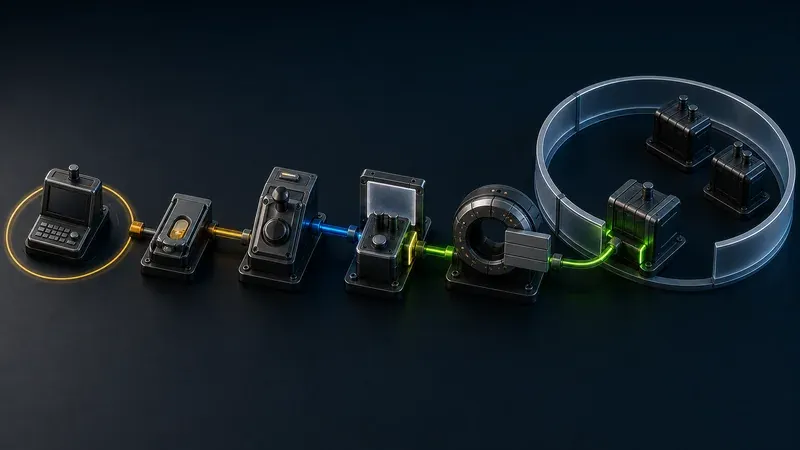
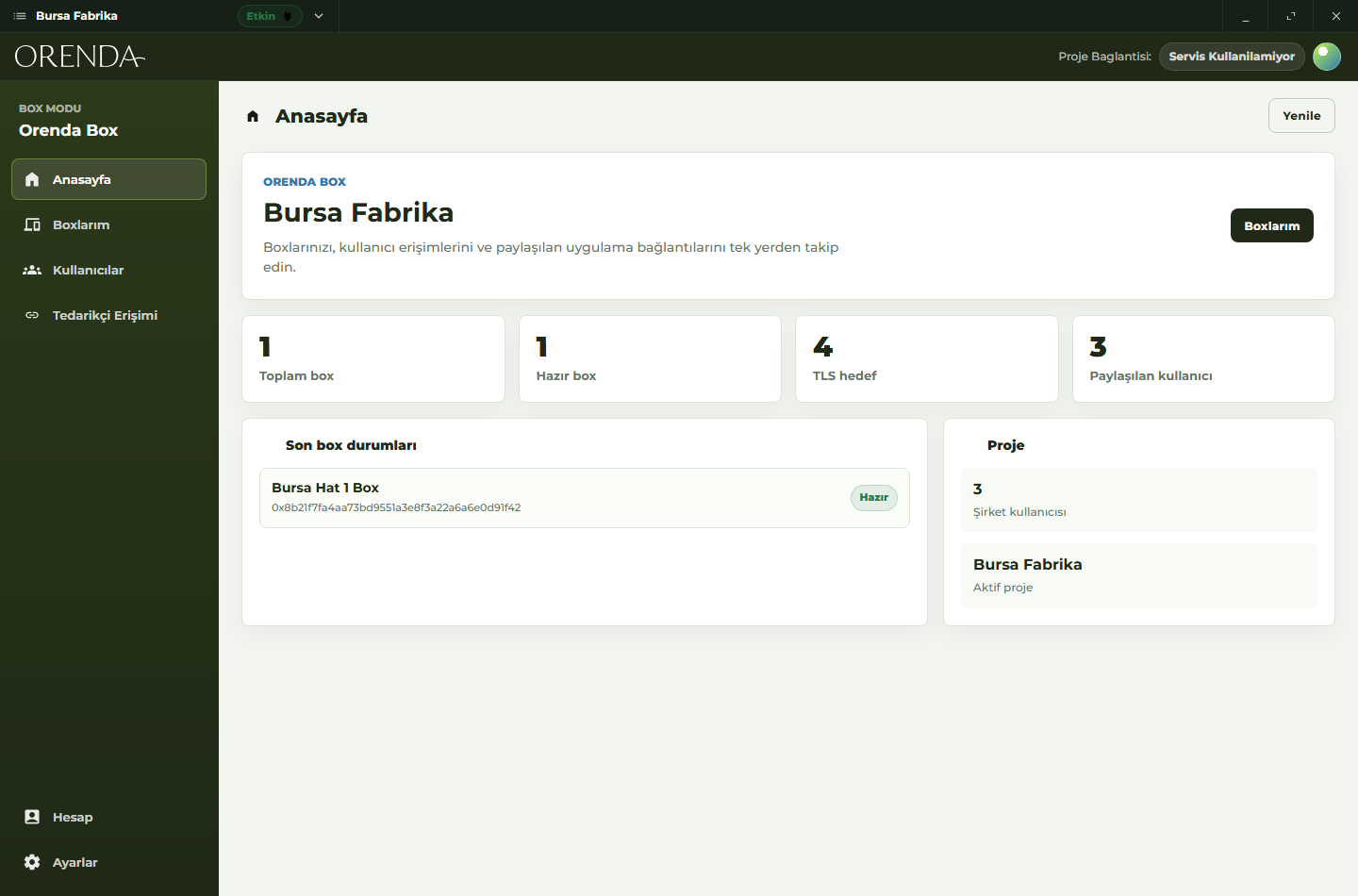
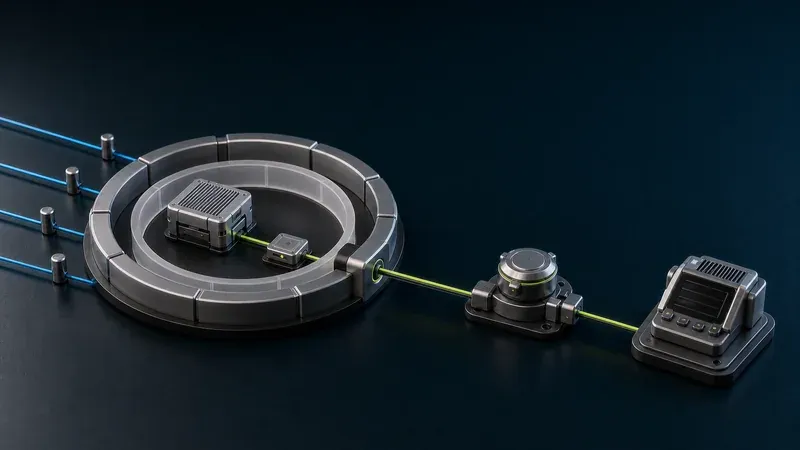
Orenda Connect can give the contractor access to a selected application without opening an inbound port at the site. The target application still needs to enforce its viewing role. Where the site needs a new screen, Orenda SCADA Studio can display approved measurements on a compatible Orenda Box. Keep the independent temperature alarm and its callout procedure in the acceptance test.
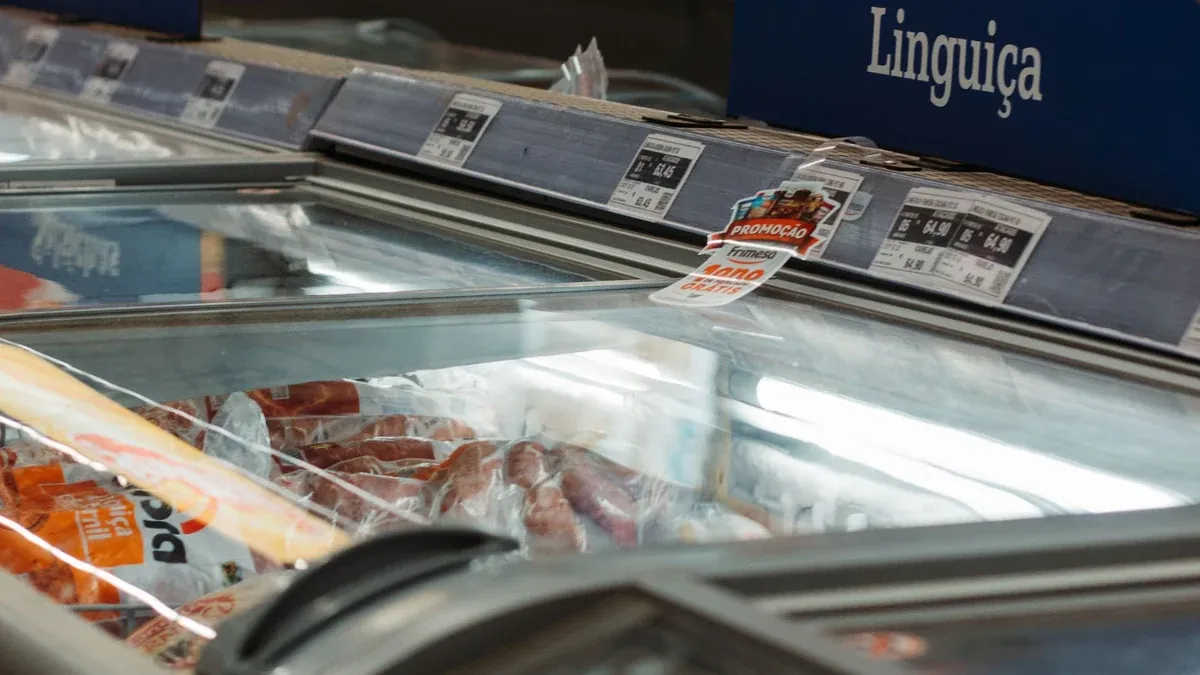
Supermarket freezers in Brazil. Photo by Eduardo Soares.